Gas and transportation expenses rise as Iran war hits US

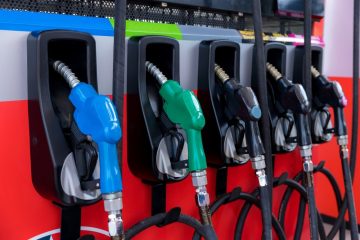
The conflict with Iran is beginning to affect Americans, as evidenced by Amazon’s announcement of a fuel surcharge for its e-commerce deliveries and certain airlines increasing fees for checked baggage to compensate for rising fuel expenses. The average price of petrol in the US has risen to $4.09 a gallon as of Friday, marking an increase of over one dollar since just prior to the war and reaching the highest point since August 2022. The price of diesel has surged significantly, climbing from $3.64 per gallon a year ago to $5.53 per gallon as of Friday, based on information provided by the American Automobile Association. Diesel finds extensive application in farming, construction, and transportation, among other sectors. E-commerce giant Amazon announced that, starting April 17, it will implement a 3.5 percent fuel surcharge on third-party sellers.
The US Postal Service announced on Wednesday its intention to implement a temporary 8 percent fuel surcharge for package and express mail deliveries in response to increasing transportation costs. The Postal Service announced in a notice on its website that if the Postal Regulatory Commission approves the surcharge, it will take effect on April 26 and remain in place until January 17, 2027. If the conflict with Iran continues for an extended period, it will inevitably result in disruptions to supply chains within the United States. I believe the US will not evade it. “These are global markets,” Rachel Ziemba was quoted. Experts were expressing concern, even just a week ago. “Now they are more worried,” she said. “If transportation costs start rising, it’s going to bleed through in other prices,” Austan Goolsbee was quoted as saying.
In the near term, but not immediately, one might begin to observe the impact on consumers; they may experience sticker shock. “People were already highly concerned about affordability and the cost of living, and this would just be piling onto it,” he said. The Hormuz Strait blockade has incurred costs to the global economy amounting to hundreds of millions of barrels of oil, with repercussions experienced on a rolling basis in relation to travel time from the Persian Gulf, as reported by The Washington Post, citing a recent client note from JPMorgan’s commodities specialists.
Asia was the first to experience the impact of reduced Gulf oil shipments, prompting governments to implement rationing and conservation measures. By mid-April, Europe is expected to face physical shortages as the final vessels loaded with oil prior to the war reach continental ports. Given that it takes 35 to 45 days for shipments to arrive at US ports from the Strait, the United States will be the final market to experience the impact. The report indicated that while prices are expected to increase, shortages of refined products beginning in late April or May are likely to be limited to California, a state that is physically isolated from the national fuel supply system.