Epstein files reveal little on crimes or his evasion of justice
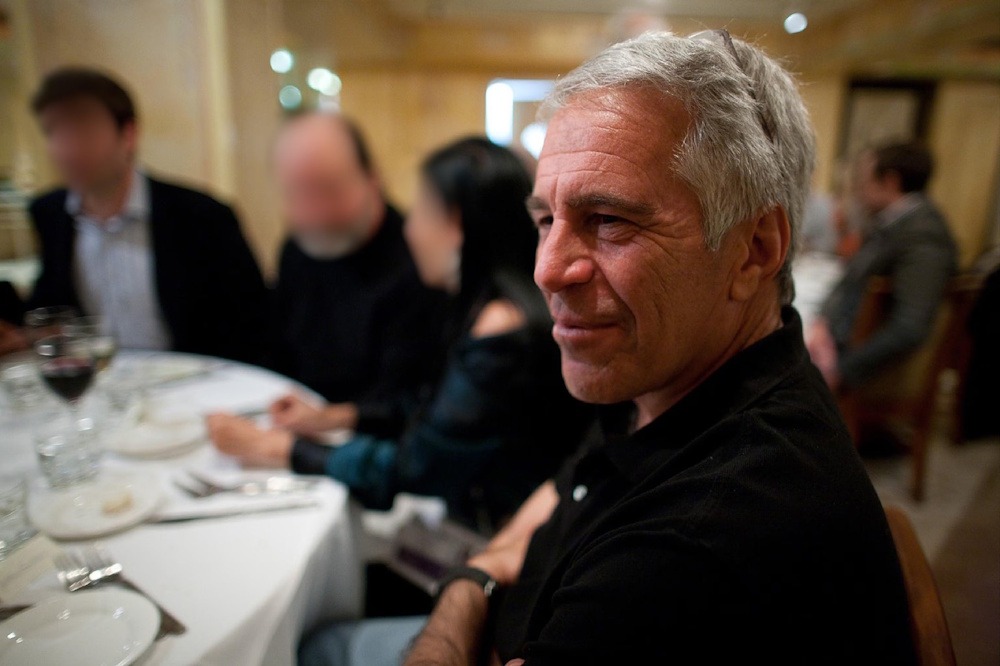
The Justice Department’s eagerly awaited release of records related to Jeffrey Epstein came in a deluge of documents that did little to assuage the enduring curiosity, primarily because some of the most significant records were conspicuously absent. The initial disclosures, encompassing tens of thousands of pages, provide little new understanding of Epstein’s crimes or the choices that enabled him to evade significant federal prosecution for an extended period. Absent are FBI interviews with survivors and internal Justice Department memos that scrutinize charging decisions—records that might have clarified how investigators perceived the case and the rationale behind Epstein’s 2008 plea to a comparatively minor state-level prostitution charge. The records, mandated for release by a recent law enacted by Congress, do not mention several influential individuals long linked to Epstein, including former Prince Andrew of Britain. This omission raises further questions about the extent of scrutiny applied, who was excluded, and the actual impact of these disclosures on public accountability. Among the new revelations: insight into the Justice Department’s choice to discontinue an investigation into Epstein in the 2000s, which allowed him to plead guilty to that state-level charge, and a previously unseen 1996 complaint alleging that Epstein stole photographs of children. The releases thus far have prominently featured images of Epstein’s residences in New York City and the US Virgin Islands, alongside a selection of photographs showcasing celebrities and politicians.
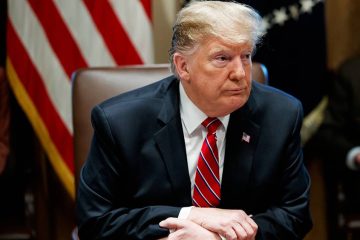
A collection of unprecedented photographs featuring former President Bill Clinton emerged, while only a scant few images of President Donald Trump were available. Both individuals have been linked to Epstein; however, they have since distanced themselves from those associations. Neither has faced any allegations of misconduct related to Epstein, and there is no evidence to suggest that the photos influenced the criminal cases initiated against him. Despite a Friday deadline set by Congress to make everything public, the Justice Department announced its intention to release records on a rolling basis. The delay was attributed to the lengthy process of concealing the names of survivors and other identifying details. The department has not provided any indication regarding when additional records may be forthcoming. The approach provoked anger among certain Epstein accusers and members of Congress who had advocated for the law, compelling the department to take action. Rather than signaling the conclusion of a prolonged struggle for transparency, the document release on Friday represents only the onset of an uncertain wait for a comprehensive understanding of Epstein’s crimes and the measures undertaken to investigate them. “I feel like again the DOJ, the justice system is failing us,” said Marina Lacerda, who alleges Epstein started sexually abusing her at his New York City mansion when she was 14. In 2019, federal prosecutors in New York filed sex trafficking charges against Epstein; however, he took his own life in jail following his arrest.
The recently released documents represent only a fraction of what could amount to millions of pages of records held by the department. In one example, Deputy Attorney General Todd Blanche stated that Manhattan federal prosecutors possessed over 3.6 million records from sex trafficking investigations concerning Epstein and his longtime confidant Ghislaine Maxwell, although a significant portion consisted of duplicated material previously submitted by the FBI. Numerous records that have been released to date were previously disclosed through court filings, congressional releases, or freedom of information requests. However, this marks the first occasion where they are all consolidated in one location, accessible for public search at no cost. New ones frequently lacked essential context or were significantly redacted. A 119-page document labeled Grand Jury-NY, presumably related to one of the federal sex trafficking investigations that resulted in charges against Epstein in 2019 or Maxwell in 2021, was completely redacted. Trump’s Republican allies capitalized on the Clinton images, which featured the Democrat alongside singers Michael Jackson and Diana Ross. Photos also surfaced showing Epstein alongside actors Chris Tucker and Kevin Spacey, as well as with TV newscaster Walter Cronkite. However, the photos lacked captions, and no explanation was provided for the reason behind their assembly.
The most substantial records released to date indicated that federal prosecutors possessed what seemed to be a compelling case against Epstein in 2007, yet chose not to file charges. Transcripts of grand jury proceedings, now made public for the first time, featured testimony from FBI agents detailing interviews with multiple girls and young women who recounted being compensated to engage in sexual acts for Epstein. The youngest participant was 14 years old and in the ninth grade. One individual reported to investigators that she was sexually assaulted by Epstein after she initially resisted his advances during a massage. Another witness, then 21, provided testimony before the grand jury regarding how Epstein had employed her at the age of 16 to carry out a sexual massage and how she subsequently went on to recruit other girls for similar purposes. “For every girl that I brought to the table he would give me $200,” she said. “They were mostly people she knew from high school,” she said. I also advised them that if they are underage, they should simply claim to be 18. The documents also include a transcript of an interview conducted by Justice Department lawyers more than a decade later with US attorney Alexander Acosta, who oversaw the case, regarding his final decision not to pursue federal charges. Acosta expressed concerns regarding the potential belief of a jury in Epstein’s accusers. He also stated that the Justice Department may have been more hesitant to pursue a federal prosecution in a case that straddled the legal boundary between sex trafficking and soliciting prostitution, an issue typically addressed by state prosecutors. “I’m not saying it was the right view,” Acosta added. He also stated that the public today would likely perceive the survivors in a different light. “There’s been a lot of changes in victim shaming,” Acosta said.