Elon Musk’s Trillion-Dollar Quest Sparks Fierce Debate Over Tesla Pay Deal
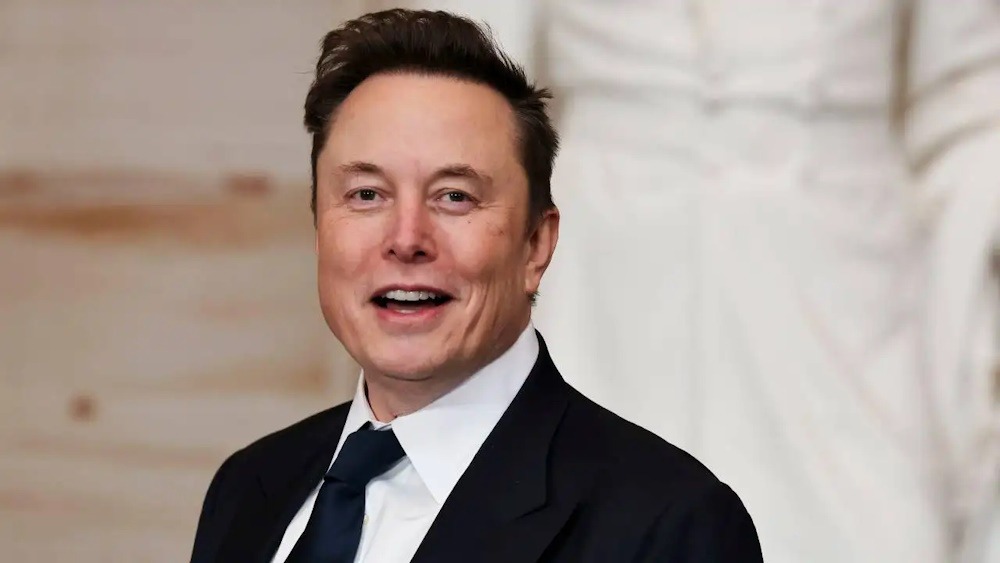
Elon Musk alienated numerous potential buyers of his Tesla cars and caused a significant decline in sales with his engagement in politics. However, the stock has surged regardless, and now he is demanding that the company compensate him more – significantly more. Shareholders will convene on Thursday for Tesla’s annual meeting in Austin, Texas, where they will cast their votes in a proxy decision regarding whether to allocate additional stock to Musk, the company’s CEO and currently the wealthiest individual globally, potentially positioning him to become history’s first trillionaire. The vote has ignited intense discussions from both perspectives, even prompting remarks from the pope regarding it as a reflection of income inequality. Numerous pension funds have expressed opposition to the package, contending that the board of directors is excessively influenced by Musk, his recent conduct has been overly reckless, and the wealth presented is excessively generous.
Advocates assert that Musk is a visionary, the singular individual poised to lead us into a future dominated by Tesla. In this future, countless self-driving Tesla vehicles—many devoid of steering wheels—will transport individuals, while humanoid Tesla robots will navigate factories and residences, collecting packages and tending to plants. They argue that the pay is essential to motivate him and maintain his focus. Musk has indicated he may leave the company if his demands are not met and has criticized certain opponents of the package as “corporate terrorists.” Musk must obtain the approval of a majority of the company’s voting shareholders to acquire his Tesla shares. Musk enhances his influence, as he votes his own shares, which constitute 15 percent of the company. In September, shareholders were first informed of the pay package when the board of directors presented it in a comprehensive filing to federal securities regulators. The document, spanning 200 pages, includes additional proposals slated for a vote at the meeting, such as the potential approval for Tesla to invest in another Musk venture, xAI, and considerations regarding future board appointments.
Musk may not receive the entirety of that money, or even a single cent, should the package gain approval. He must first meet a series of operational and financial targets. To receive the full compensation, he must supply the car market with 20 million Teslas over a decade, which is more than double the quantity he has produced in the last twelve years. He must significantly enhance the company’s market value and operating profits while delivering one million robots, starting from zero today. If he does not achieve the most significant objectives, the package may still provide him with a substantial financial reward. Musk will receive USD 50 billion in additional Tesla shares if he boosts the company’s market value by 80 percent, a feat he accomplished just last year, along with doubling vehicle sales and tripling operating earnings – or achieving any other two of a dozen operational targets. Musk stands as the richest man in the world, boasting a net worth of USD 493 billion, as per reports, significantly surpassing some of the wealthiest individuals from previous years. The steel titan, Andrew Carnegie, was once valued at an inflation-adjusted USD 300 billion, as reported by the Carnegie Corp., significantly less than Musk’s fortune. Musk is still behind John D. Rockefeller, but he is rapidly gaining ground. The railroad titan reached a peak inflation-adjusted wealth of USD 630 billion in 1913, as noted by Guinness World Records. Musk asserts that the focus isn’t primarily on financial gain, but rather on increasing his stake in Tesla, which will rise to nearly 30 percent, allowing him to exert greater control over the company. He states, “that’s a pressing concern given Tesla’s future robot army,” referring to the company’s Optimus humanoid workers, which he does not trust anyone else to control.
Numerous investors have expressed their backing for the package, including Baron Capital Management, whose founder described Musk as indispensable to the company. “Without his relentless drive and uncompromising standards, there would be no Tesla,” wrote founder Ron Baron. Among the critics are the largest public pension fund in the United States, Calpers, and Norway’s sovereign wealth fund, which holds the title of the world’s largest. Critics contend that the compensation is overly generous, with the Norway fund raising alarms about the board responsible for its design, which features Musk’s brother, lacking sufficient independence. This resonates with a ruling from a Delaware court nearly two years prior, which criticized the approval process for an earlier Musk compensation package as fundamentally flawed due to his significant connections with the directors. Even the Vatican has expressed its concerns, condemning the wealth gap in the world and criticizing the trillion dollar offer specifically. “If that is the only thing that has value anymore, then we’re in big trouble,” said Pope Leo XIV.