China Secures Upper Hand in Trade Standoff Ahead of Trump–Xi Meeting
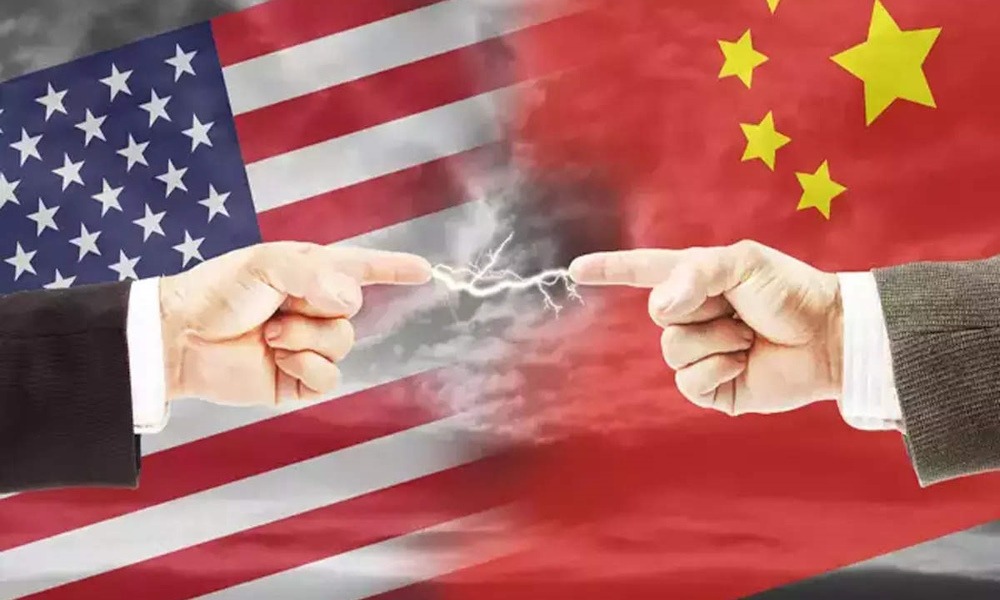
Even before Donald Trump and Xi Jinping convene in South Korea on Thursday, the victor in this round of trade discussions is evident. China has made minimal concessions to give the impression of being conciliatory. This has allowed Beijing to concentrate on its top priorities: Taiwan, advancements in high technology, and establishing long-term dominance in the Indo-Pacific region. The US president may believe he holds the advantage, yet in reality, he is conceding a victory to his Chinese counterpart. All the signals indicate a trend towards mutual de-escalation. A “framework” deal, reached in Malaysia at the weekend, is poised to influence their agenda. The White House is presenting the results of these discussions as a victory for the United States. The reality is as follows: China has not conceded anything of significance. I have spent months analyzing how Beijing’s “protracted war” strategy — a Mao-era philosophy of endurance — has influenced Xi’s reaction to American tariff pressure. The discipline is yielding results.
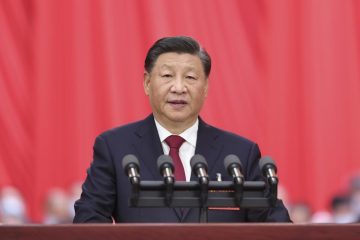
As the two engage in their initial discussions since 2019, Xi will approach the negotiations from a position of strength. Washington is anticipated to remove Trump’s threat of 100 percent tariffs on Chinese goods from consideration, while Beijing is likely to postpone export controls on critical minerals for a year and reinstate significant purchases of US soybeans. It is a modest cost for the relief that China is securing while maintaining authoritative oversight of crucial supply chains in the world’s second-largest economy. In exchange, China will anticipate that the US will ease restrictions on advanced chips, allowing it to gain access to high-end technology and diminish dependence on foreign suppliers, thereby safeguarding its economic future. It also seeks the removal of certain Chinese firms from the US entity list, which was established to eliminate foreign elements thought to be acting against US interests. Trump, eager to demonstrate to his supporters that he can negotiate with America’s rivals, may indeed yield.
Such an outcome would bolster Xi’s assertion that the West is in decline, while the East is ascending amid “great changes unseen in a century.” The economy, burdened by property issues and sluggish consumption, continues to exhibit fragility; however, a tariff shock would exacerbate the situation. China has also drawn lessons from the initial trade war. It provided limited genuine compromises, failed to meet commitments from earlier agreements, yet managed to endure that challenge. Trump’s quest for a political triumph in anticipation of next year’s midterm elections simultaneously bolsters Xi’s position. Washington has not held Beijing accountable for structural reforms, restrictions on subsidies, or limitations on state-supported technology initiatives, addressing long-standing concerns regarding China’s manipulation of the global economic system for its own advantage. That is partly an acknowledgment of the profound entrenchment of Beijing’s industrial policy. In contrast, the Trump administration has “sabotaged the sources of American strength and competitiveness at home and dismantled American power and influence abroad,” observes the Center for American Progress, a left-leaning Washington-based think tank. There is something that Xi seeks from Trump. He is anticipated to elevate Taiwan’s status, potentially seeking language that would indicate Washington’s lack of support for formal independence, thereby departing from decades of strategic ambiguity. The island hosts 90 per cent of the world’s most advanced chips and plays a crucial role in the supremacy of future industries such as artificial intelligence.
Secretary of State Marco Rubio asserts that Washington will maintain its enduring support for Taiwan; however, Xi is likely to challenge that commitment. Trump’s erratic strategy has already unsettled Taipei. He has yet to approve a military aid package exceeding $400 million, accused the island of appropriating America’s advanced semiconductor business, and cancelled President Lai Ching-te’s transit through the US in August. Taiwan should be regarded as a cornerstone, not a bargaining chip. It is located on the First Island Chain, a region of strategic significance not only to Washington and Beijing but also to American allies including Japan, the Philippines, and South Korea. Taipei seeks reassurances from the White House that it can rely on, a step that may also bolster confidence among other partners. It is essential to dismantle Beijing’s leverage on rare earths. China possesses half of the world’s reserves and a significant portion of its refining capacity. Trump’s agreements with Asian nations to secure new supplies may assist in diminishing Beijing’s dominance. However, any agreement between the superpowers will represent a truce rather than a significant advancement. Through reduced conflict and increased contemplation, Xi has decisively triumphed in this round.