China hits back at the US over Trump’s new tariff threat
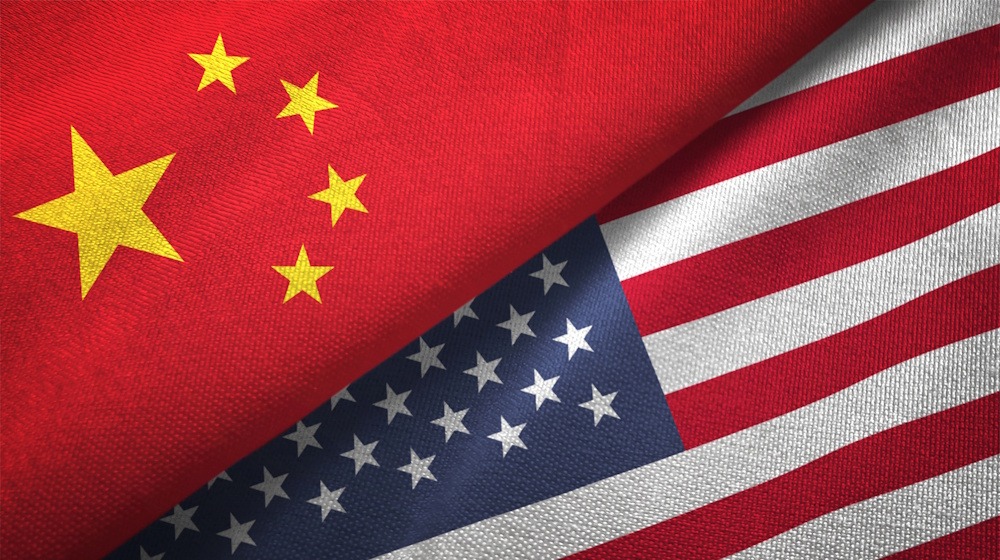
China has called on the United States and associated companies to acknowledge facts, adhere to international trade regulations, and cease actions detrimental to China’s interests, following US President Donald Trump’s threat to impose a 100 percent tariff on Chinese goods. Chinese Foreign Ministry spokesperson Lin Jian stated, “China calls on the U.S. as well as companies concerned to respect facts and multilateral trade rules, abide by the principles of market economy and fair competition, correct the wrong approach as soon as possible and stop harming China’s interests.” China’s Ministry of Commerce announced sanctions on Tuesday against five US-based subsidiaries of South Korea’s Hanwha Ocean Co. This action follows the US’ Section 301 investigation and related measures aimed at China’s maritime, logistics, and shipbuilding sectors. Order No. 6 of 2025, issued by the Ministry of Commerce’s Bureau of Security and Control, states that this decision complies with China’s Anti-Foreign Sanctions Law and its implementing provisions.
The order asserted that the US action to execute Section 301 measures against China’s maritime, logistics, and shipbuilding sectors “seriously violates international law and the basic norms governing international relations, and gravely undermines the legitimate rights and interests of Chinese enterprises.” The Chinese state media reports that the country’s commerce ministry has identified five subsidiaries: Hanwha Shipping LLC, Hanwha Philly Shipyard Inc, Hanwha Ocean USA International LLC, Hanwha Shipping Holdings LLC, and HS USA Holdings Corp. China’s Transport Ministry has launched an investigation into the impact of the US Section 301 investigation on the security and development interests of its shipping and shipbuilding sectors, along with related industrial and supply chains. China’s Ministry of Foreign Affairs issued a statement as trade tensions between the two countries escalate. A series of new trade restrictions announced by both sides marked a sharp escalation in their economic dispute. China has implemented new port fees for US ships arriving at its ports, starting October 14. The Chinese Transport Ministry announced that fees will begin at 400 yuan (approximately USD 56) per net ton, with annual increases planned for the next three years. Beijing stated that the action was a direct response to Washington’s decision to impose similar charges on Chinese ships entering American ports, labeling the US move as a violation of World Trade Organization rules and the China-US maritime transport agreement. Trump announced that the US would impose an additional 100 percent tariff on Chinese imports starting November 1, raising total duties on Chinese goods to 130 per cent.
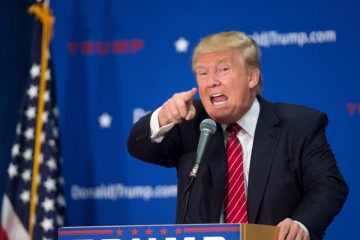
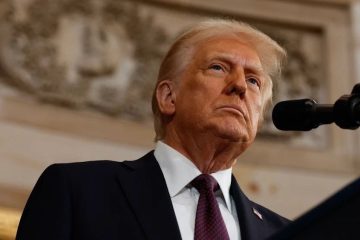
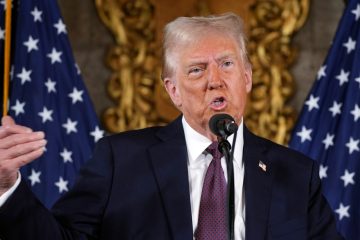
Trump stated, “In response to China’s export control on rare earths and related items, the United States will impose a tariff of 100 percent on China, over and above any tariff that they are currently paying.” He stated that the US would impose stricter export controls on essential software and technology, accusing Beijing of adopting a “hostile” stance in trade relations. Beijing’s Ministry of Commerce stated, “willful threats of high tariffs are not the right way to get along with China,” emphasizing that while China does not desire a trade war, it is “not afraid of it either.” China justified its recent export controls on rare earth materials as a legitimate measure to enhance its export management system and protect national security. The US was accused of “double standards” and “abusing export control measures” against Chinese companies. “The US side cannot seek talks on one hand while threatening to introduce new restrictive measures on the other,” the ministry stated, calling on Washington to address disputes through mutual respect and dialogue. Following the China-US trade talks in Madrid last month, Beijing stated that the US has increased restrictions by adding more Chinese companies to the Entity List and extending Section 301 measures to the shipbuilding sector.
China cautioned that these actions have “seriously harmed” its interests and damaged the atmosphere for trade talks. It urged the US to “correct its wrong practices” and “properly manage differences through dialogue” to ensure stable and sustainable relations. In summary, China is pressing the US to respect international trade rules and avoid actions that harm its interests, highlighting sanctions against Hanwha subsidiaries and new port fees as countermeasures. It criticized the US for unilateral tariffs and export restrictions, emphasizing that such moves undermine trade talks and global trade norms. Beijing maintains that while it does not seek a trade war, it is prepared to defend its national and economic interests through legal and regulatory measures. Both sides are being called upon to manage their differences through dialogue to prevent further escalation in the economic dispute.