AI Turns Japan’s ‘Irreplaceable Treasures’ into Disposable Waste
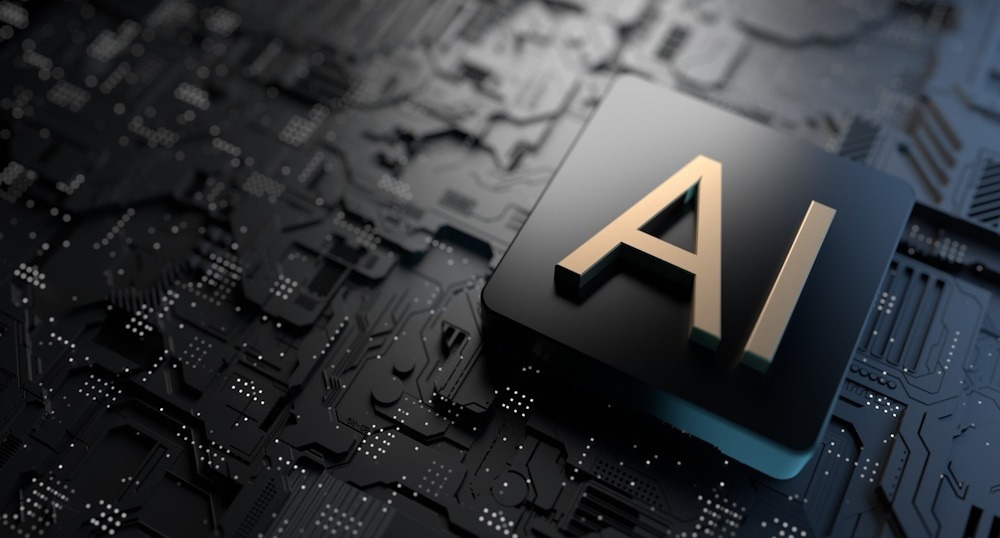
When a United Nations report cautioned that Japan’s renowned animation sector faced the threat of potential collapse, one might understandably assume that the culprit was the emergence of artificial intelligence. It was not. “Low pay, excessive working hours and weak protections for individuals’ intellectual property rights had created an environment ripe for exploitation,” the UN human rights body said last year. If the outlook was grim then, the rise of AI could present an existential threat. Tokyo is indebted to these artists. Even as Japan’s industrial might waned during the so-called “lost decades,” their imagination and soul propelled the nation’s soft power and global influence. Dragon Ball, Pokemon, and Studio Ghibli produced storylines and characters that are cherished worldwide. The government was arguably slow to recognize or capitalize on this, but has since dedicated years to transforming the nation’s creative works into a prominent export — as formidable as any automobile or semiconductor.
AI’s threat presents Japan with an opportunity to properly support the workers sustaining the $21 billion industry. Tokyo must act swiftly to enhance labour rights, safeguard intellectual property, insist on transparency, and ensure fair compensation for artists, or it may allow Silicon Valley to dictate the terms as it sees fit. The recent launch of OpenAI’s Sora 2 video creator served as a significant wake-up call. Users of the TikTok clone swiftly transformed a cherished collection of anime characters into AI-generated content. Akihisa Shiozaki, a Lower House lawmaker, expressed his concern in a commentary, noting that he was particularly alarmed by the presence of high-quality generations of Japanese icons, while Western figures such as Mickey Mouse or Superman were notably missing. The government expressed its concerns to OpenAI, he said, apparently prompting Chief Executive Officer Sam Altman to announce an update that gives rightsholders “more granular control,” and praising the nation’s “remarkable creative output.” Altman expressed optimism about initiating a revenue sharing plan “soon.”
OpenAI’s prompt action represents a commendable initial measure. However, technology giants ought to compensate for the creativity they have already taken advantage of. Recently, as I browsed Sora 2, I encountered a plethora of clips showcasing beloved characters like Naruto, Doraemon, and Totoro. Despite my fleeting efforts to produce new videos featuring these icons, my attempts were met with refusal. It is evident that Japan’s cultural crown jewels were utilized to train the video generator, which holds the potential to become a significant revenue source for the tech giant. The influence of Japan’s creative industry compels it to take a leading role in the global struggle for the future of the arts in the age of AI. It can begin by insisting on transparency. Most leading tech companies have ceased to disclose the specifics of the data utilized to train their models. However, it is essential for the public to be informed about the components of these systems — not only to ensure that rightsholders are aware of the usage of their work, but also to enable researchers and policymakers to gain a deeper understanding of how these tools influence the world we live in.
As my colleague Dave Lee has noted, companies invest in the chips required for their machines, the power to operate them, and the labor of their engineers. “So why not pay for the work of human creators, without whom today’s AI models wouldn’t be worth a penny?” Even during times of significant technological change, he observes, there are established practices for compensating creatives. It is evident that prior to the emergence of AI, Japan’s anime industry was already in need of a significant evaluation regarding its labor practices. Despite a global boom, numerous creatives find themselves in poverty. Tokyo can address this issue by strengthening unions in a sector that has historically been resistant to organization. This would not only enhance conditions but also provide artists with an opportunity to influence how their work is utilized by AI and how the technology can be implemented within their industry. The 2023 Hollywood writers’ strike highlighted the essential role of organised labour in creative industries, setting a significant precedent: Workers in this sector secured the right to determine the use of AI on their terms, while also guaranteeing their compensation regardless of the circumstances.
Automation has the potential to jeopardize the livelihoods of artists, yet it can also be employed judiciously to address significant labor shortages. Collective bargaining agreements empower workers to influence the outcome of this process. During a press conference last month, a lawmaker responsible for intellectual property strategy referred to anime and manga as “irreplaceable treasures of our country.” AI tools have reached a level of sophistication that allows them to replicate, and potentially replace, a significant element that has contributed to Japan’s status as a cultural powerhouse. The opportunity for Tokyo to take action is rapidly diminishing.