AI Surge Fuels Global Chip Shortage, Skyrocketing Prices
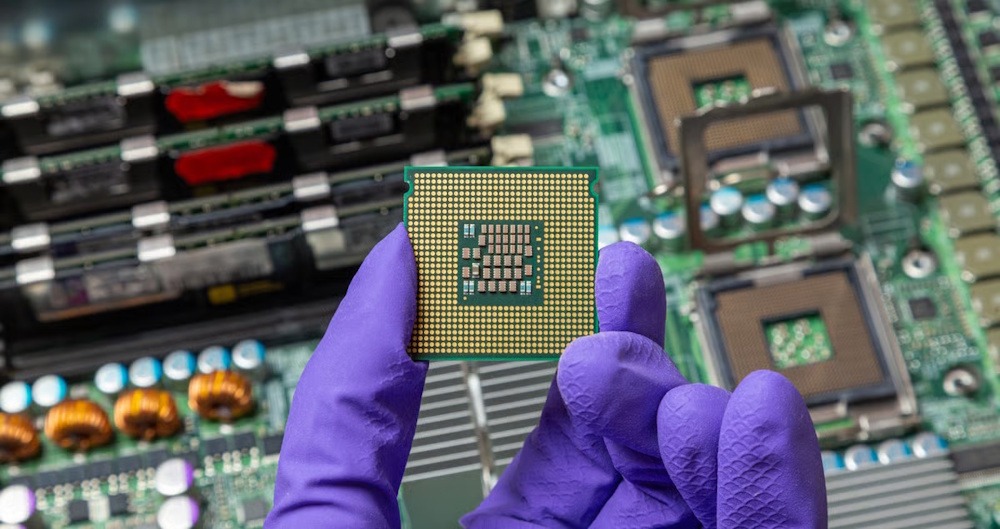
A significant global shortage of memory chips is compelling artificial intelligence and consumer-electronics companies to compete for limited supplies, as prices rise for these unassuming yet crucial components that enable devices to store data. Japanese electronics stores have started to impose restrictions on the quantity of hard-disk drives that customers are permitted to purchase, while Chinese smartphone manufacturers are cautioning about impending price hikes. According to sources, tech giants including Microsoft, Google, and ByteDance are scrambling to secure supplies from memory-chip makers such as Micron, Samsung Electronics, and SK Hynix. The squeeze encompasses nearly every category of memory, ranging from flash chips utilized in USB drives and smartphones to sophisticated high-bandwidth memory that powers AI chips in data centers, and according to the reports, prices in some segments have more than doubled since February, attracting traders who believe the rally has more momentum ahead.
The repercussions may extend beyond the technology sector, as numerous economists and executives caution that the extended shortage threatens to impede AI-driven productivity advancements and postpone investments amounting to hundreds of billions of dollars in digital infrastructure, contributing to inflationary pressure at a time when numerous economies strive to control price increases and manage US tariffs. “The memory shortage has now graduated from a component-level concern to a macroeconomic risk,” stated Sanchit Vir Gogia, describing how the AI build-out “is colliding with a supply chain that cannot meet its physical requirements.” This investigation draws on interviews with nearly 40 individuals, including 17 executives from chip manufacturers and distributors, illustrating the industry’s attempts to satisfy the insatiable demand for advanced chips—propelled by Nvidia and major tech players such as Google, Microsoft, and Alibaba—resulting in a dual predicament: chipmakers are unable to manufacture sufficient high-end semiconductors for the AI competition, while their shift away from conventional memory products is constraining supply to smartphones, PCs, and consumer electronics. According to the report, average inventory levels at suppliers of dynamic random-access memory decreased to two to four weeks in October, down from three to eight weeks in July and 13 to 17 weeks in late 2024, and the situation is developing as investors begin to doubt whether the substantial funds invested in AI infrastructure have led to an inflated bubble. Some analysts foresee a shakeout, suggesting that only the largest and most financially robust companies will be able to endure the price increases. A memory-chip executive informed Reuters that the shortage would postpone upcoming data-center projects, noting that new capacity requires a minimum of two years to establish, yet memory-chip manufacturers remain cautious about overexpansion, concerned that it may become underutilized if the demand surge subsides. Samsung and SK Hynix have declared investments in expanding capacity yet have not specified production distribution between HBM and conventional memory, and according to report in November, SK Hynix has informed analysts that the memory shortfall is expected to persist until late 2027.
“These days, we’re receiving requests for memory supplies from so many companies that we’re worried about how we’ll be able to handle all of them. If we fail to supply them, they could face a situation where they can’t do business at all,” SK Group chairman Chey Tae-won said at an industry forum in Seoul, noting that OpenAI entered into preliminary agreements with Samsung and SK Hynix in October to provide chips for its Stargate project, projected to need as many as 900,000 wafers each month by 2029—“about double current global monthly HBM production.” Samsung informed Reuters it is monitoring the market but offered no comment on pricing, while SK Hynix stated it is enhancing production capacity to meet rising demand. Microsoft refrained from comment, ByteDance did not respond, and Micron and Google offered none, as the global scramble intensified following ChatGPT’s release in 2022, which spurred a worldwide rush to establish AI data centers and prompted memory manufacturers to increase production of HBM utilized in Nvidia’s processors. Competition from Chinese rivals producing lower-end DRAM, including ChangXin Memory Technologies, has compelled Samsung and SK Hynix to hasten their transition to higher-margin products, with the two South Korean firms representing two-thirds of the DRAM market. Samsung informed customers in May 2024 that it intended to cease production of a specific type of DDR4 chips within the year—though it later reversed course—while Micron similarly notified customers it would halt shipments of DDR4 and LPDDR4 within six to nine months. Sources said ChangXin also halted most DDR4 production. This transition coincided with a replacement cycle for traditional data centers and PCs, alongside stronger-than-anticipated smartphone sales dependent on conventional chips. “One could say the industry was caught off-guard,” stated TechInsights’ Dan Hutcheson. Samsung reportedly raised server memory prices by as much as 60% last month, and Nvidia CEO Jensen Huang acknowledged the surge as notable but confirmed Nvidia had secured considerable supply.
In October, Google, Amazon, Microsoft, and Meta approached Micron with requests for open-ended orders, indicating they would accept as much product as the company could supply, regardless of cost, while sources said Alibaba, ByteDance, and Tencent sent executives to Samsung and SK Hynix to advocate for allocation, with one noting, “Everyone is begging for supply.” SK Hynix announced all its chips are sold out for 2026, while Samsung reported securing customers for next year’s HBM output. Both firms are expanding capacity, yet new factories for conventional chips are not expected until 2027 or 2028. Shares of Micron, Samsung, and SK Hynix have rallied strongly this year, driven by robust chip demand. Counterpoint Research anticipates that memory prices will increase 30% through Q4, with another potential 20% rise early in 2026, prompting Xiaomi and Realme to warn of handset price hikes, with Realme predicting increases of 20%–30% by June due to “unprecedented” memory cost surges.
Xiaomi said it plans to counter memory cost increases by raising smartphone prices and promoting premium devices, while ASUS indicated it holds about four months of inventory including memory components and will adjust prices as needed. Winbond, holding roughly 1% of the DRAM market, was among the first to announce capacity expansion, approving $1.1 billion in capital spending after “many customers” sought urgent help and even long-term deals. In Tokyo’s Akihabara district, shops have imposed purchase limits on memory products to prevent hoarding, with clerks at five stores reporting shortages and steep price increases, where 32GB DDR5 memory surged from 17,000 yen to over 47,000 yen since mid-October and 128GB kits climbed to 180,000 yen. The hikes are driving customers toward the secondhand market, aiding businesses like Roman Yamashita’s used-parts shop iCON, while traders like Polaris Mobility note prices changing so rapidly that quotes now expire daily or hourly instead of monthly. In Beijing, sellers admit to hoarding DDR4 units, while in California, Caramon’s monthly sales of recycled low-end memory have surged from $500,000 to nearly $900,000, driven largely by Hong Kong intermediaries reselling to China.